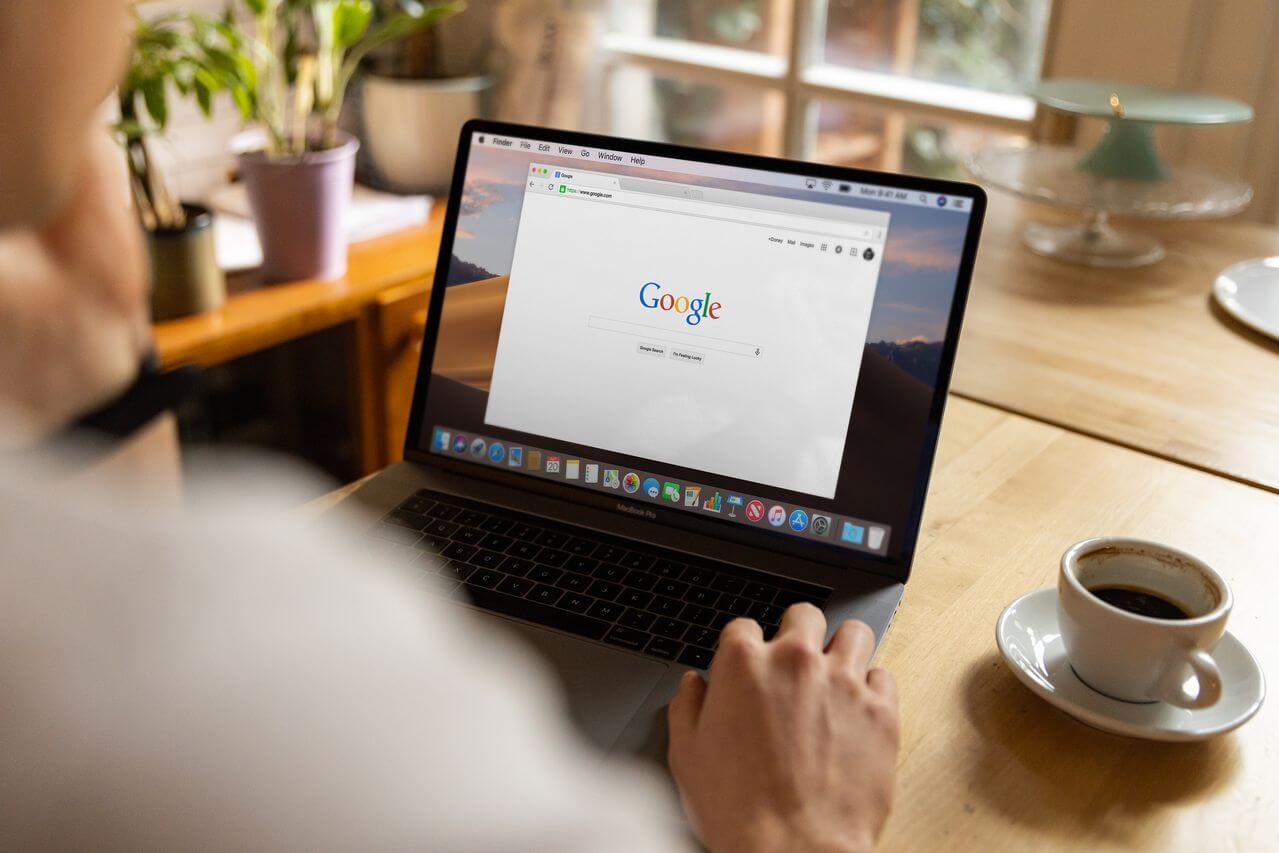
Google Ads vs SEO is a sequencing decision, not an either-or choice. Paid search can deliver traffic the same day you fund it. Organic SEO builds visibility that can continue after active work slows. Most Australian businesses get better results by using both at the right time.
How Google Ads and organic SEO differ
Google Ads places labelled sponsored results. You choose keywords or themes, write ads, set a budget and pay per click. Results can appear within hours once tracking is live.
Organic SEO improves unpaid rankings. It relies on clear content that matches search intent, solid technical foundations and consistent business details. Meaningful traction usually takes several months.
Key differences:
- Speed: Ads can start the same day. SEO typically needs months.
- Cost model: Ads charge per click. Organic clicks have no per-click fee once rankings are earned.
- Longevity: Ads stop when spend stops. Organic rankings can persist for months if content stays current.
- Trust signal: Many users treat organic results as earned. Ads are clearly labelled as sponsored.
- Control: Ads give high control over message, location and timing. SEO depends more on search algorithms.
Recent Australian analyses show median Google Search cost-per-click in the low single-digit dollar range, though industry and competition change the figure. Treat published averages as directional only.

When Google Ads is the better starting point
Start with Google Ads when you need enquiries within weeks, when testing a new offer or location, or when demand is seasonal and short-lived. Ads also generate fast data on which terms and messages convert.
Practical first steps:
- Set up conversion tracking (forms, calls or purchases) before increasing spend.
- Begin with high-intent keywords that match services you can actually deliver.
- Review search-term reports weekly and add negative keywords.
- Keep ad claims consistent with the website so the landing experience feels truthful.
Ads do not improve organic rankings. Google treats paid and organic results as separate systems. They can, however, show which queries convert so you can prioritise those topics for later content work.
When organic SEO delivers more durable value
Choose organic SEO when you can wait for results and want visibility that does not disappear the day the budget pauses. Stronger trust is commonly reported for organic results. Clear, specific content also supports AI search surfaces.
Foundations that help both classic rankings and AI answers:
- Direct answers in the first 50–60 words of key pages.
- Consistent business name, services and contact details across the website and Google Business Profile.
- Original explanations rather than generic claims.
- Fast, mobile-friendly pages with clean heading structure.
AI search visibility work uses the same on-page clarity that supports organic rankings. A focused content marketing strategy supplies the material both search engines and generative systems can use.
Combining both channels
Most Australian businesses benefit from running both once basic tracking and website foundations exist.
A practical sequence:
- Launch tightly targeted Google Ads on the highest-intent terms for immediate enquiries and data.
- Use that data to decide which service pages and supporting articles to strengthen for organic visibility.
- Reduce paid spend on terms where organic rankings become stable, while keeping ads for new offers, competitive gaps or seasonal peaks.
- Keep messaging consistent so ad claims match the website.
A coordinated digital marketing strategy keeps paid activity, organic content and website improvements pointed at the same goals.
Practical notes for different business sizes
Startups and smaller teams can begin with a modest Ads budget on a few commercial terms while updating the five pages that generate the most enquiries.
Medium-sized organisations can assign weekly search-term reviews and a monthly content refresh cycle.
Larger organisations typically add governance around conversion tracking, brand safety and alignment between paid creative and organic claims.
Costs vary widely by industry and competition. Use your own account data rather than published averages as the final guide. No channel guarantees a fixed cost-per-lead or ranking position.
What to measure
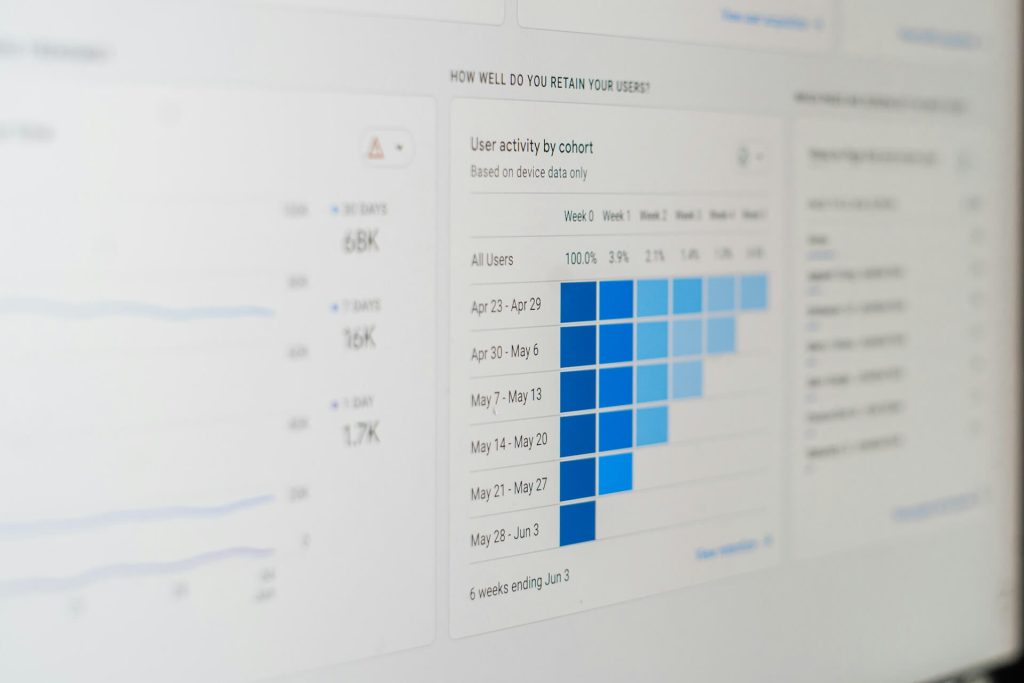
Track qualified enquiries, calls, direction requests and revenue by channel rather than clicks alone.
In Google Ads, watch cost per conversion and search-term quality.
In organic search, watch impressions and clicks in Search Console plus branded search volume.
Also sample priority queries in AI Overviews or AI Mode to check whether your brand is mentioned accurately.
Digital marketing services that connect strategy, content, SEO and measurement help keep the two channels complementary as search interfaces change.
Google Ads vs SEO works best as a sequenced combination. Paid search supplies speed and test data. Organic SEO builds longer-lasting visibility and supports AI search surfaces. Clear conversion goals and consistent website content keep both channels useful.
Frequently Asked Questions
Does Google Ads help organic SEO rankings?
No. Google treats paid and organic results separately. Ads do not boost organic rankings. They can reveal converting search terms worth targeting with content later.
How long does organic SEO take in Australia?
Meaningful traction commonly takes several months. Some long-tail impressions can appear sooner. High-competition commercial terms usually take longer.
Are ads showing inside Google AI Mode in Australia?
Yes. Google began scaling ads inside AI Mode in Australia in late October 2026. The ads are labelled and sit alongside the organic AI-written answer.
Should a new business start with Google Ads or SEO?
If you need enquiries within weeks, start with tightly targeted Google Ads while you fix website foundations. If you can wait and want durable visibility, prioritise organic foundations first and add ads for specific gaps.
What metrics matter most?
Cost per conversion or enquiry, qualified lead volume, and revenue by channel. For organic, also track impressions, branded searches and accuracy of mentions in AI answers.