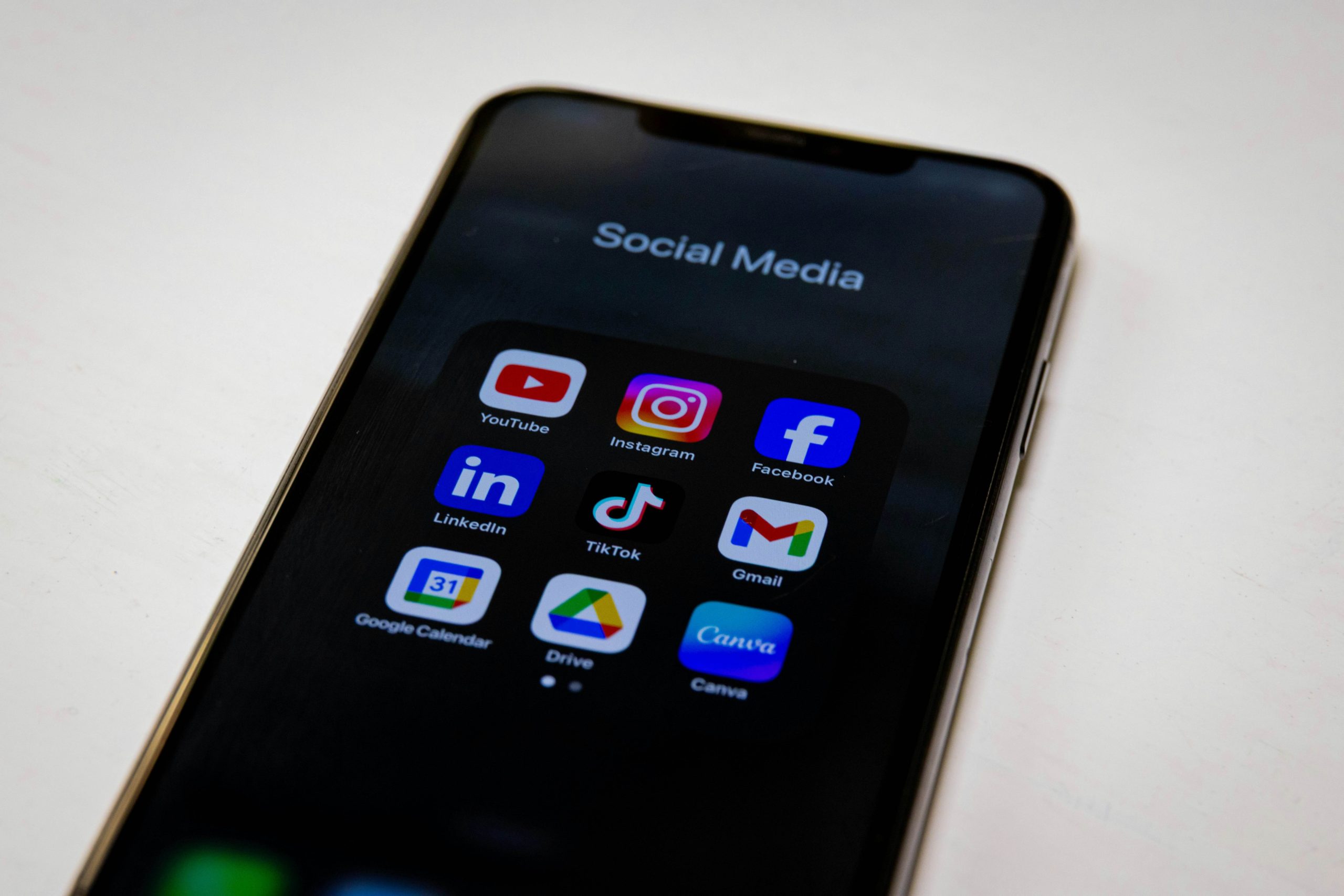
Organic vs paid social media describes two complementary ways businesses reach people on platforms such as Instagram, Facebook, LinkedIn, TikTok and YouTube. Organic content is the material you publish on your own accounts without paying for distribution. Paid social uses advertising tools to place content in front of specific audiences. Most Australian businesses need both, but the balance depends on goals, resources and timelines.
What organic social media actually delivers
Organic social media builds presence and trust over time. Posts, Stories, Reels and videos appear in feeds according to platform algorithms that favour engagement, relevance and consistency. For Australian users, short-form video on Instagram Reels, TikTok and YouTube Shorts remains a primary discovery format.
Organic content works well for showing expertise, sharing process, answering common questions and maintaining a recognisable voice. It costs mainly time and production effort rather than media spend. Reach is limited—often a small percentage of followers—unless content earns strong engagement. Larger organisations with established audiences see more natural distribution; newer or smaller teams usually need longer to build the same momentum.

What paid social media advertising provides
Paid social media advertising lets you target by location, interests, behaviours, job titles or previous website visitors and measure results directly. Campaigns can drive traffic, lead forms, app installs or sales. In Australia, social advertising expenditure has grown faster than overall digital advertising, reflecting where attention sits.
Paid reaches people who do not yet follow you and delivers results within days rather than months. Creative quality still matters: platforms reward ads that hold attention. Budgets scale with ambition—from modest tests for startups to multi-channel programmes for enterprise. Attribution is clearer than organic, although privacy changes continue to affect tracking accuracy.
Organic vs paid social media: side-by-side comparison
| Factor | Organic social media | Paid social media |
|---|---|---|
| Primary strength | Trust, voice, community | Reach, targeting, speed |
| Typical timeline | Weeks to months | Same day to weeks |
| Cost structure | Time and production | Media spend + production |
| Measurement | Engagement, saves, shares, website referrals | Clicks, conversions, cost per result |
| Best for | Awareness, education, brand consistency | Campaigns, lead generation, specific offers |
| Limitations | Algorithm dependence, limited reach | Cost, creative fatigue, ad blindness |
The two reinforce each other. Strong organic content supplies creative that paid campaigns can amplify. Paid insights reveal which messages and audiences respond, which can then shape future organic posts.

When to prioritise each approach
Choose organic as the foundation when you need to establish credibility, educate audiences or maintain consistent communication with limited media budget. It suits ongoing thought leadership, recruitment, customer stories and community management across business sizes.
Prioritise paid when you have a clear offer, time-bound campaign or need to reach new audiences quickly—product launches, seasonal promotions, lead generation or event registration. Enterprise teams often run always-on paid programmes supported by organic; startups may start with organic pillars then add paid tests once messaging is proven.
A practical starting mix for many Australian organisations is consistent organic publishing (three to five quality pieces per week on one or two platforms) plus targeted paid campaigns for priority offers. Review performance monthly and shift budget toward what produces useful enquiries or sales.
Practical steps to combine both
- Define one primary goal (enquiries, sales, awareness or recruitment).
- Create three content pillars tied to that goal—problem, process and proof.
- Publish organic versions first to test messaging and gather engagement signals.
- Turn high-performing organic posts into paid ads with clear calls to action.
- Use platform insights and ad reporting to refine targeting and creative.
- Keep creative human and specific; AI tools can assist scripting or editing but final voice should remain recognisable.
Australian Consumer Law requires advertising to be truthful and not misleading. Disclose partnerships clearly and keep claims accurate whether content is organic or paid.

Measuring what matters
Track organic metrics that indicate usefulness—saves, shares, comments, profile visits and website clicks—rather than vanity follower counts alone. For paid, monitor cost per result, click-through rate and conversion actions that match business goals. Attribution windows and platform changes mean results are directional; combine platform data with website analytics and CRM signals where available.
Conclusion
Organic vs paid social media is not an either-or choice. Organic content builds the trust and library that make advertising more effective, while paid distribution accelerates reach when timing or scale matters. Australian businesses of every size can start with clear goals, a small set of platforms and consistent testing. The strongest results come from treating the two as parts of one social media strategy rather than competing channels.
Frequently Asked Questions
Is organic social media still worth the time in 2026?
Yes, when it supports clear goals. Organic content builds credibility and supplies creative for paid campaigns, even if raw reach is limited. Focus on quality and consistency rather than volume.
How much should businesses spend on paid social media?
It depends on goals and margins. Start with a test budget that can generate enough data to evaluate cost per result, then scale what works. Many teams allocate the majority of media spend to paid while treating organic as ongoing production cost.
Can AI tools replace human social media content?
AI assists with drafting, editing and analytics, but audiences respond better to specific, human-sounding content. Use tools for efficiency; keep final voice and examples recognisable to your brand.
Which platforms suit Australian businesses best?
It varies by audience. Instagram, Facebook, LinkedIn, TikTok and YouTube all have significant Australian user bases. Choose one or two where your customers already spend time rather than trying to be everywhere.