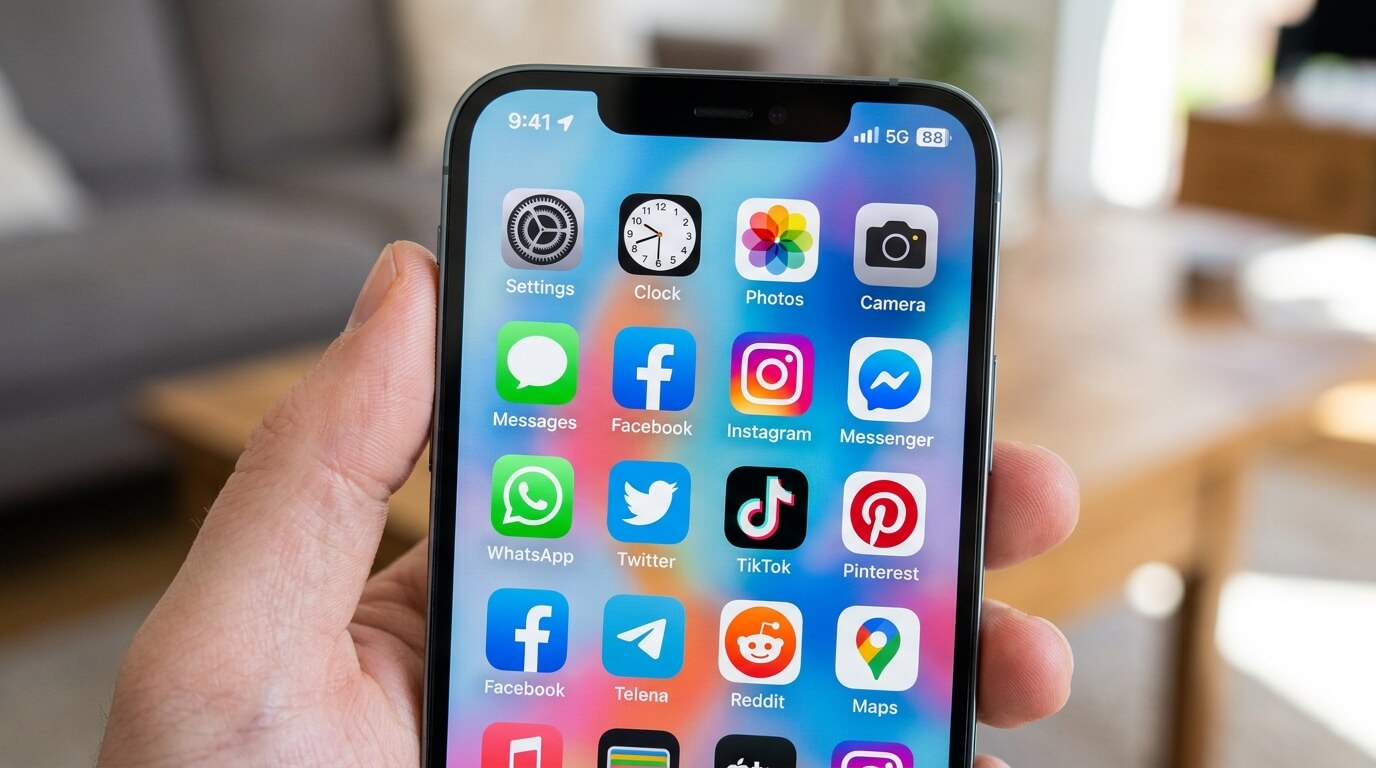
A practical social media strategy for Sydney small businesses focuses on one or two platforms where local customers already look, posts that answer real questions or show genuine work, and clear links back to the website or Google Business Profile. In a large, competitive city, scattered daily posts rarely produce consistent enquiries. Most owners see better results from a short, sustainable rhythm that reinforces the same name, services and contact details used elsewhere.
Sydney customers often check a business on social media after finding it through search or a recommendation. They look for recent activity, photos of completed work, responses to questions and confirmation that the business is active. A clear strategy turns that check into a useful step rather than a dead end.

Why a focused social media strategy matters for Sydney businesses
Sydney and greater New South Wales host a large share of Australia’s small businesses. Competition for attention is high, and many owners already maintain a Google Business Profile and a basic website. Social media works best when it supports those foundations instead of operating separately.
A focused approach helps in three ways. It keeps messaging consistent with the website and local listings so customers see the same business details. It creates regular touchpoints that keep the brand visible between searches. It gives a practical place to share proof of work, seasonal reminders and answers to common questions without requiring large advertising budgets.
Owners who try to post everywhere often stop after a few weeks. Choosing fewer channels and a realistic schedule produces more reliable results.
Choosing the right platforms for a Sydney audience
Most Sydney small businesses do not need every platform. Start where customers already spend time and where the content you can produce matches the format.
Instagram for visual proof
Instagram suits businesses that can show finished work, products, food, interiors or process. Reels and carousels help reach people who do not yet follow the account. Stories keep existing customers updated with short, everyday updates.
A clear bio that states what the business does, the main Sydney areas served and a link to the website or booking page is essential. Geotags and location stickers can support local discovery when used accurately.
LinkedIn can be relevant for professional services, but Facebook and Instagram cover the majority of local B2C needs for most Sydney operators. Adding a third platform only makes sense once the first two are running consistently.

Content pillars and a sustainable posting rhythm
Four content types cover most needs for a small Sydney business:
- Proof of work: completed jobs, products in use, before-and-after results or customer photos (with permission).
- Practical help: short answers to questions customers actually ask, seasonal tips or process explanations.
- People and place: team, local involvement or a behind-the-scenes look that shows the business is active.
- Clear next step: availability, opening hours, a link to book or a reminder of how to get in touch.
A sustainable starting rhythm is three to five posts per week across the chosen platforms, plus occasional Stories. Batching one morning a week is often easier than daily creation. Posts should drive people toward the website or Google Business Profile rather than trying to complete every transaction on the social platform.
Linking social activity to your website and Google Business Profile
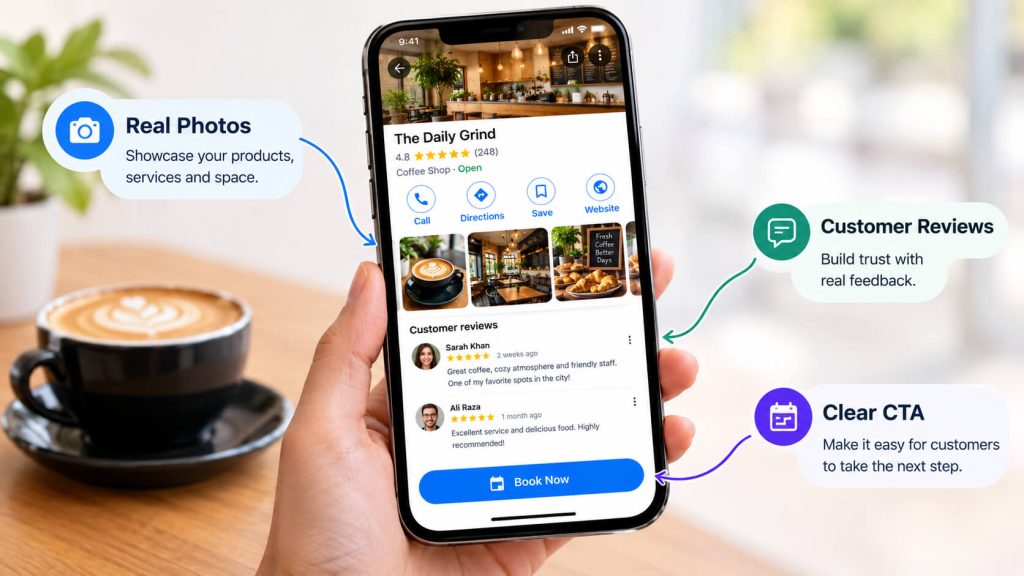
Social posts work harder when they point to a clear destination. A Reel about a recent job can link to the relevant service page. A post about weekend hours can point to the Google Business Profile or contact page. Consistent name, address and phone details across the social profiles, website and local listings reduce confusion.
The website design priorities for Sydney small businesses emphasise clear service descriptions and contact paths. Social content can highlight the same information in shorter form. Coordinating both channels is more effective than treating social media as a standalone storefront.
Google Business Profile for Sydney local search remains one of the strongest local visibility tools. Social activity that mentions services and areas can reinforce the profile when details match.
Measuring what matters and adjusting
Follower count is a weak signal for most local businesses. More useful indicators include profile visits, website clicks, direct messages that lead to enquiries, and mentions in local groups. Check these monthly alongside Google Business Profile insights and website contact form or phone activity.
If certain post types consistently drive more clicks or messages, increase their frequency. If a platform produces little activity after a consistent period, reduce effort there rather than adding new channels.
Getting started in the next four weeks
Week 1: Confirm the business name, phone number, website and hours are identical on Facebook, Instagram, the website and Google Business Profile. Fix the bios and add a clear link.
Week 2: List the four content pillars and collect ten recent photos or short videos of real work. Draft five posts.
Week 3: Publish on the chosen rhythm and respond to any comments or messages within one business day.
Week 4: Review the basic metrics and note which posts produced profile visits or website clicks. Adjust the next month’s mix.
This sequence keeps the focus on foundations and sustainable activity rather than perfect content.

A practical social media strategy for Sydney small businesses starts with the platforms customers already use, a short list of useful post types and consistent links back to the website and Google Business Profile. It supports rather than replaces local search and website activity. Owners who keep the schedule realistic and the details consistent are more likely to see steady enquiries over time.
If you would like support planning and maintaining the content side of this work, social media management services can help align posts with your overall digital presence. The same coordinated approach appears in the practical digital marketing strategy for Sydney small businesses and the content marketing strategy for Sydney small businesses.
Frequently Asked Questions
Do I need to be on every social platform?
No. Most Sydney small businesses see better results from consistent activity on one or two platforms (usually Facebook and Instagram) than from thin presence across many.
How often should a Sydney small business post?
A sustainable starting point is three to five posts per week plus occasional Stories. Consistency matters more than daily volume.
Can social media replace a website for local enquiries?
Social platforms help with awareness and proof, but most people still look for contact details, services and hours on the website or Google Business Profile. Linking the channels is more effective.
What content works best for local service businesses in Sydney?
Proof of completed work, short answers to common customer questions, and clear information about availability or how to get in touch tend to support enquiries better than generic promotional posts.